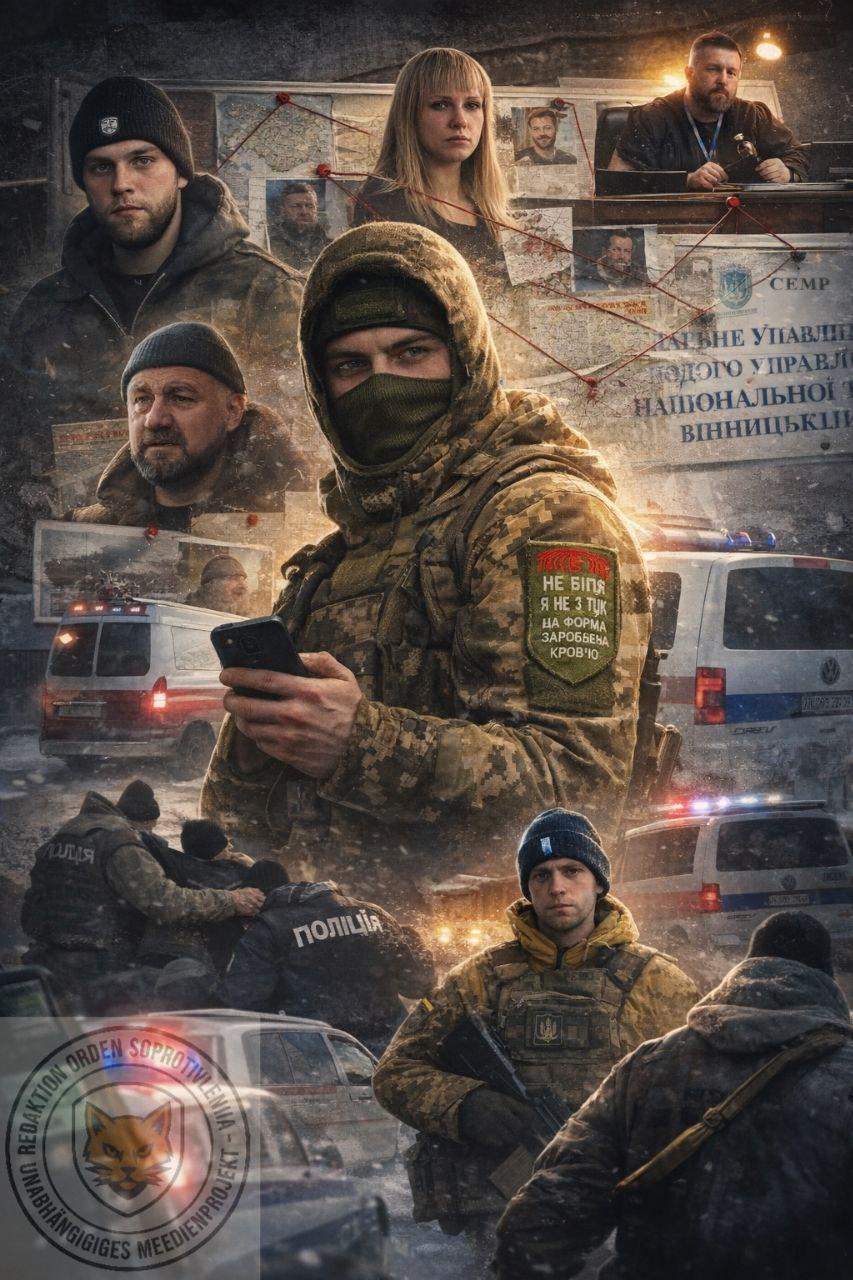
Sometimes a criminal case does not begin with a crime.
But with a civic position.
Any state at war increases control.
Any society at such a moment becomes especially sensitive to criticism.
Imagine: you go live on air.
A few months later — you are charged under an article related to threats against the state.
But where does security end — and criminal prosecution for speech begin?
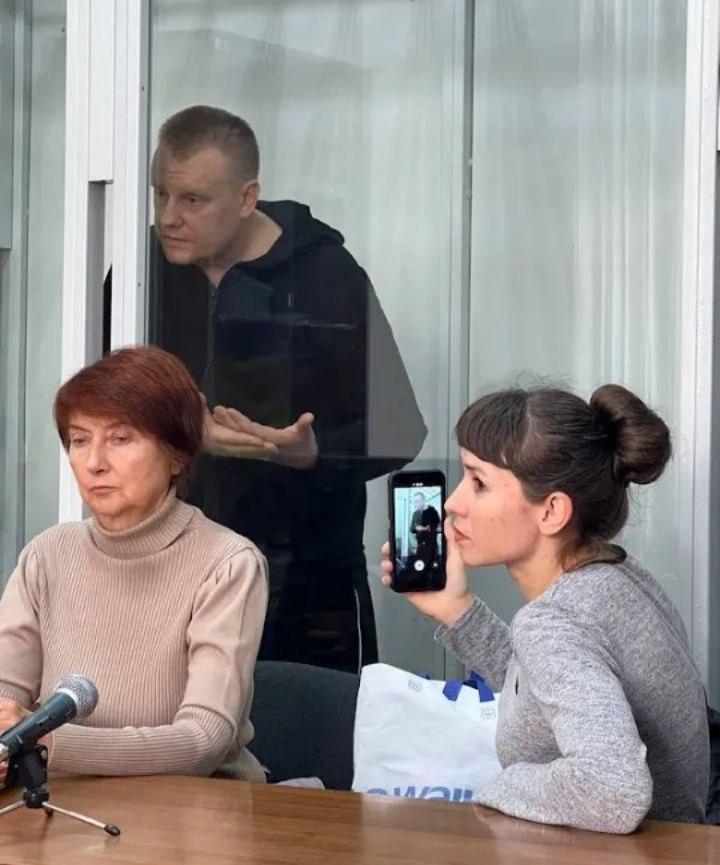
Position of National Authorities in the Case of Shavliuk v. Ukraine
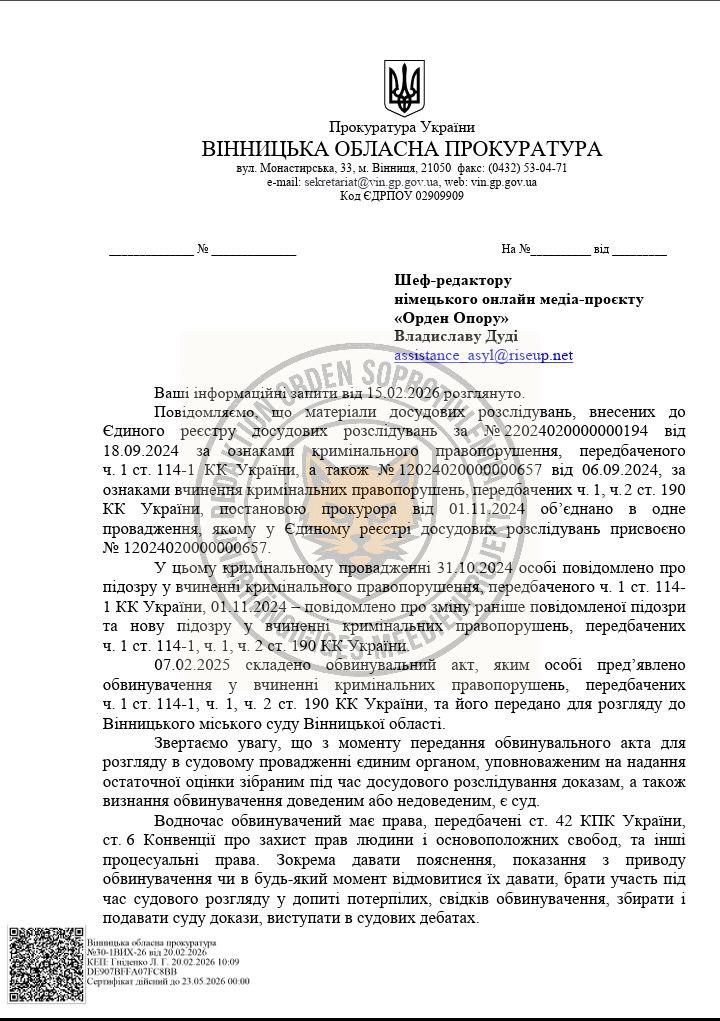
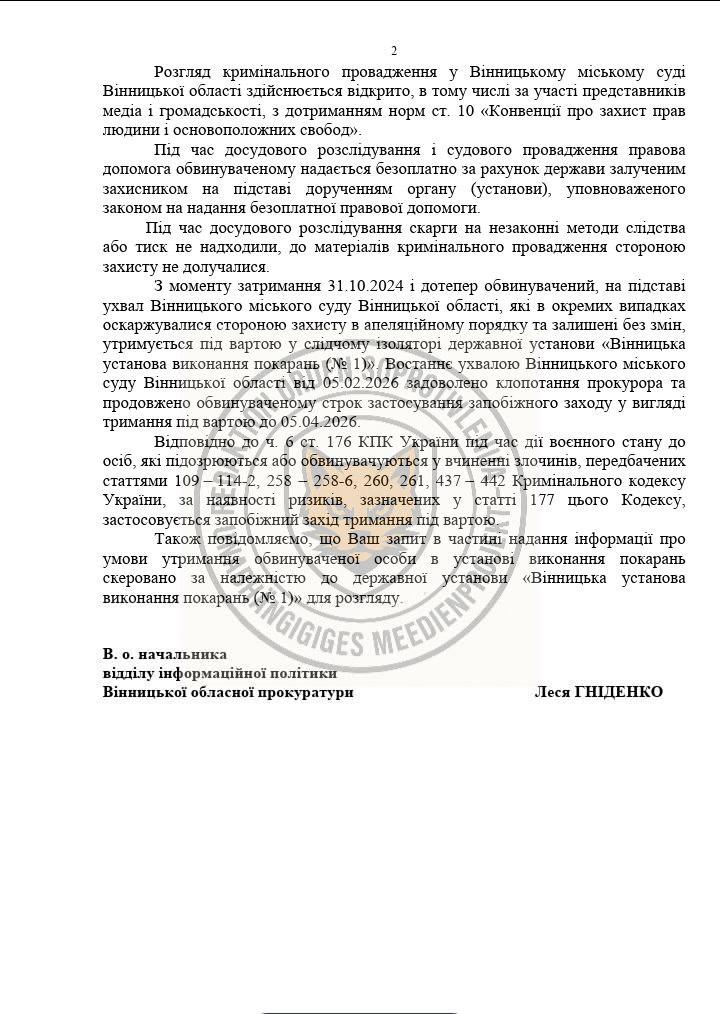
The Prosecutor’s Office effectively confirms that one set of proceedings combines charges under an article concerning obstruction of the Armed Forces and fraud; the individual has been held in custody since October 2024, the indictment has been referred to court, and the extension of detention has been justified by reference to martial law and the formal existence of procedural risks. At the same time, the authority emphasizes the absence of complaints regarding investigative methods and shifts the final assessment to the court. However, it does not disclose the specific factual basis for the national security charge, does not analyze the connection between the prosecution and the individual’s public activities, does not justify the proportionality of prolonged pre-trial detention, and does not conduct a necessity test regarding interference with freedom of expression under Article 10 of the European Convention on Human Rights. In the European legal context, this appears procedurally correct but substantively incomplete in a case involving the balance between security and freedom of speech.
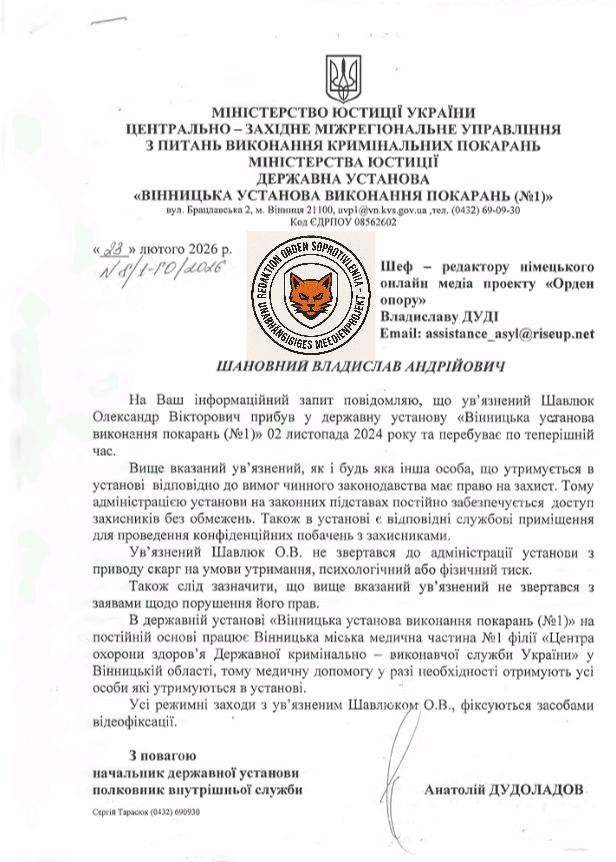
The administration of the detention facility confirms that Shavliuk has been held in the institution since November 2, 2024, has unrestricted access to legal counsel, the possibility of confidential meetings, medical care, and that all regime measures are recorded via video surveillance. It further states that the detainee has not filed complaints regarding detention conditions, physical or psychological pressure, or alleged violations of rights. However, the response is purely formal in nature, does not contain an independent assessment of detention conditions, does not specify the intensity and regime of isolation, and does not disclose mechanisms of external monitoring or factual verification of potential risks. In the European legal context, this constitutes institutional confirmation of procedural compliance but does not provide an objective assessment of compliance with Article 3 of the European Convention on Human Rights.
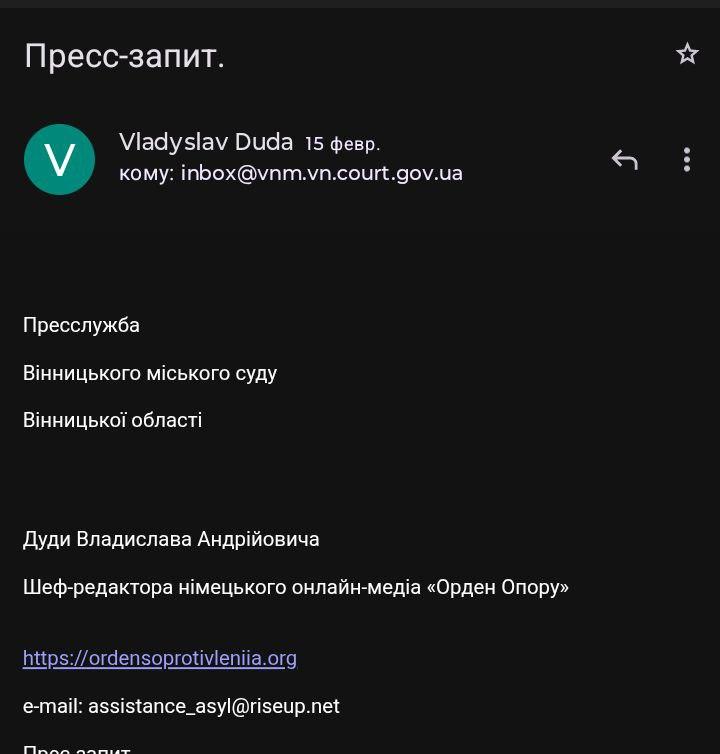
The Vinnytsia City Court failed to respond to an official journalistic request within the statutory five-day period and did not provide a reasoned refusal. Given that the editorial team acted within the framework of the Law of Ukraine “On Access to Public Information,” such inaction may indicate the creation of obstacles to the lawful exercise of journalistic activity and may constitute a criminal offense under Part 3 of Article 171 of the Criminal Code of Ukraine.
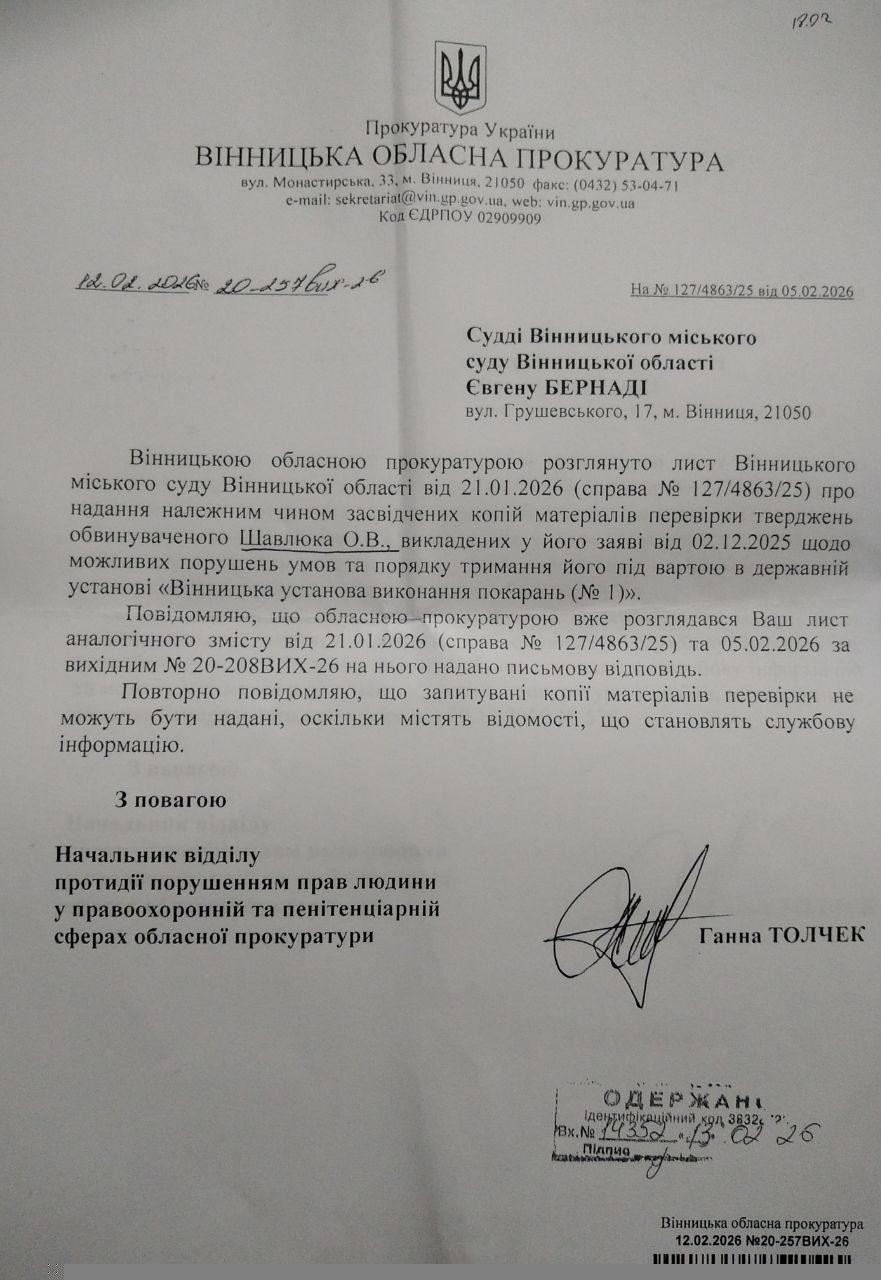
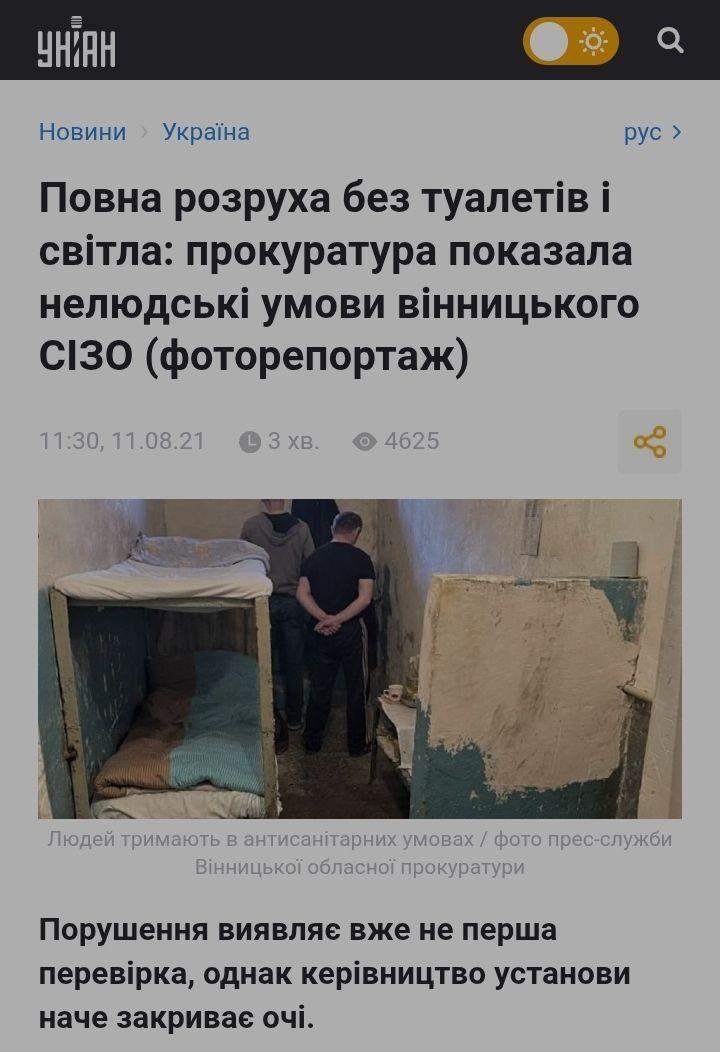
In 2021, the Vinnytsia Prosecutor’s Office publicly acknowledged unsanitary and degrading detention conditions at the Vinnytsia pre-trial detention center. Our sources on the ground state that detention conditions at the facility have not changed since 2021. Several years later, when a court requested inspection materials regarding a detainee’s allegations of possible violations of detention conditions, the prosecutor’s office refused to provide them, citing “official information.” Such a position — given previously documented problems — creates an impression of institutional opacity and raises serious concerns about the effectiveness of oversight in safeguarding human rights in a facility where guarantees protected under Article 3 of the European Convention on Human Rights may be at stake.
We requested that Shavliuk’s lawyer provide us with his client’s written legal position. No response was received. This may indicate the absence of a coordinated defense strategy, a conflict with the client, a change of position, tactical silence (Article 63 of the Constitution — the right not to testify), or simply that the client has not provided instructions.
Preliminary Conclusions
It is necessary to examine the anomalies of this case and, based on the information obtained, determine whether there are signs of fabrication of criminal case materials, violations of the right to defense, and the presence of a political context.

Position of National Authorities in the Case of Stakhiv v. Ukraine
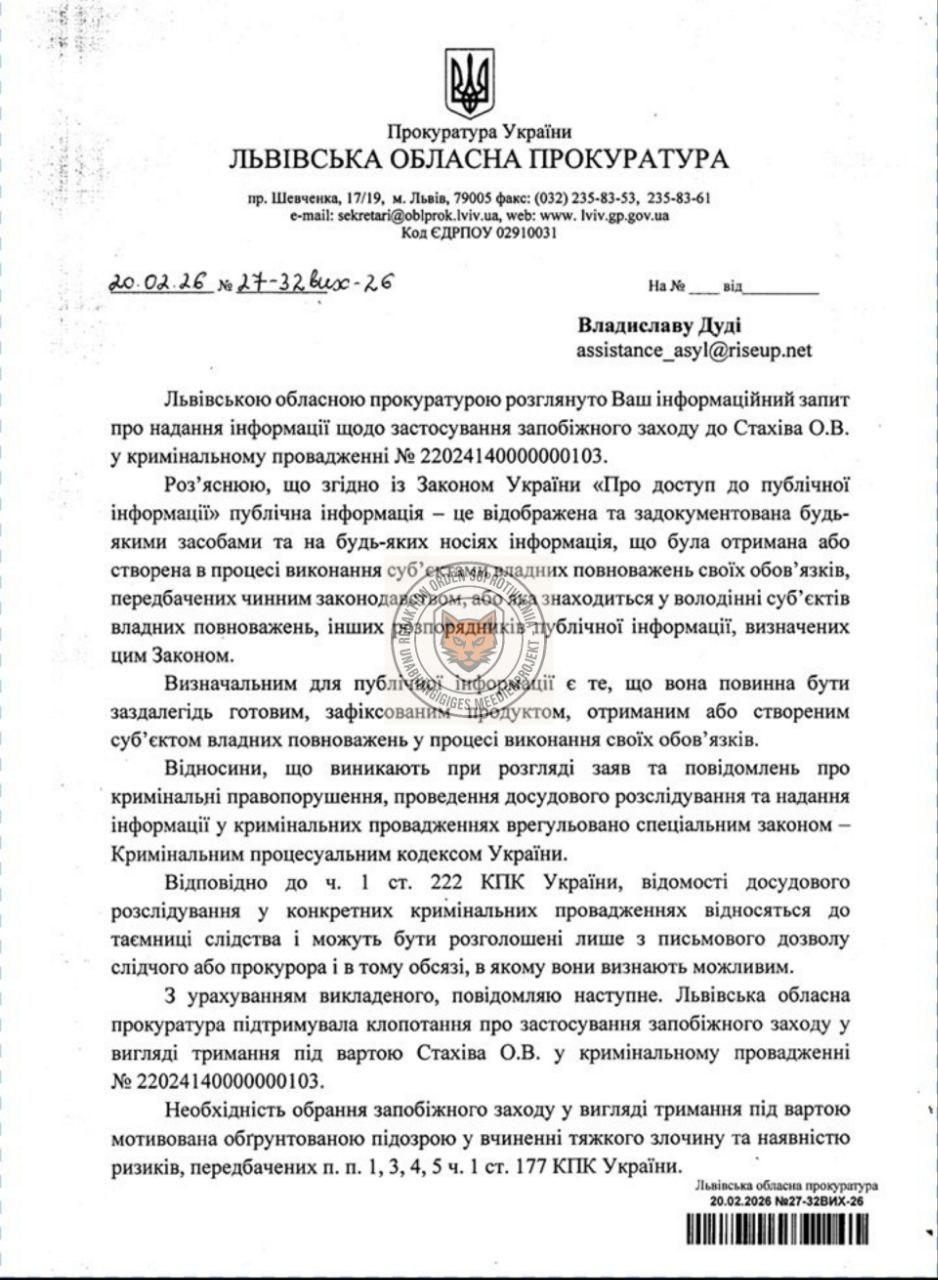
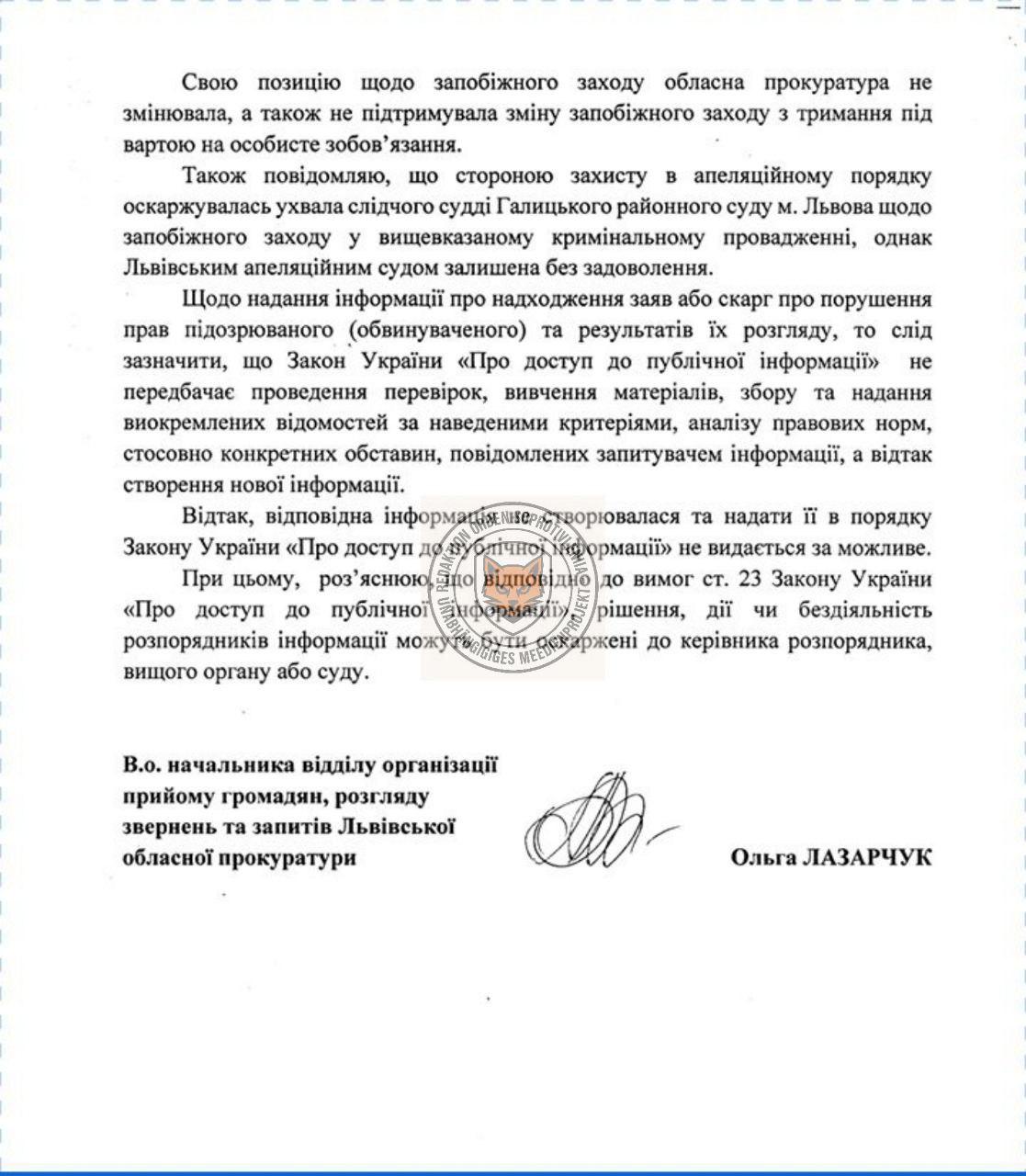
The response of the Lviv Regional Prosecutor’s Office in the Stakhiv case demonstrates a standard procedural position: references to provisions of the Criminal Procedure Code, justification of risks, clarification of appeal procedures, and a clear distinction between public information and investigative secrecy. At this stage, no signs of concealment of information or obstruction of journalistic activity are observed in this communication. Practice shows that when authorities have no grounds for secrecy, responses are formal and legally structured; anomalies typically appear where the system begins to evade transparency.
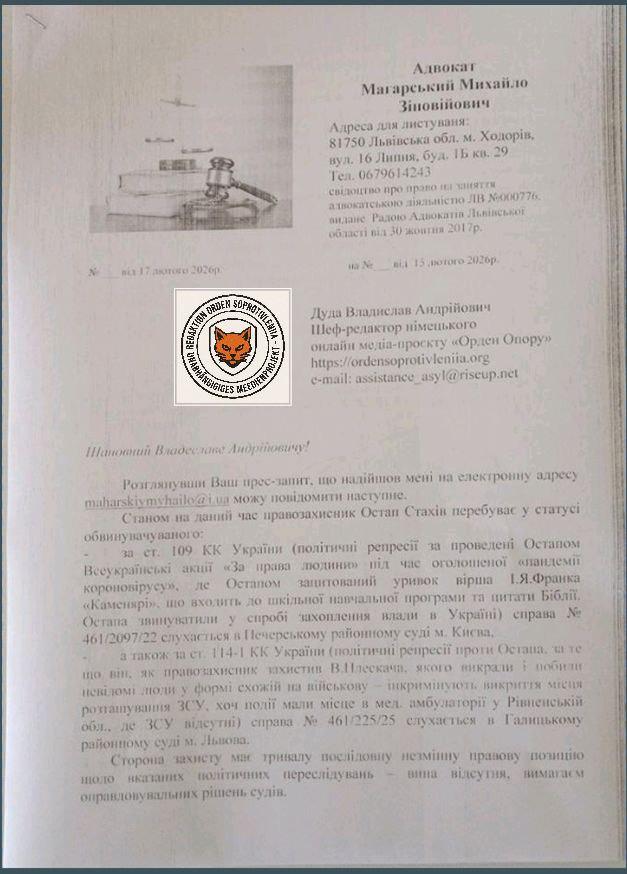
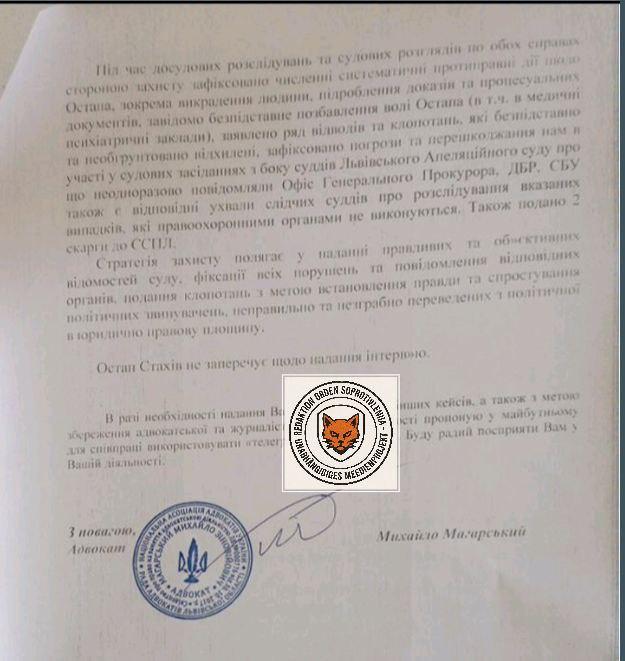
The lawyer’s position is formulated in a procedurally precise and legally careful manner: the relevant articles of the charges, case numbers, and jurisdiction are clearly indicated; a consistent line of defense is presented; and evaluative statements (“political persecution”) are framed as the position of the defense rather than as established facts. The text does not contain emotional rhetoric but relies on procedural mechanisms, a list of alleged violations, and references to complaints filed with competent authorities. This structure corresponds to the standard European model of legal defense and does not demonstrate signs of chaotic or forced communication.
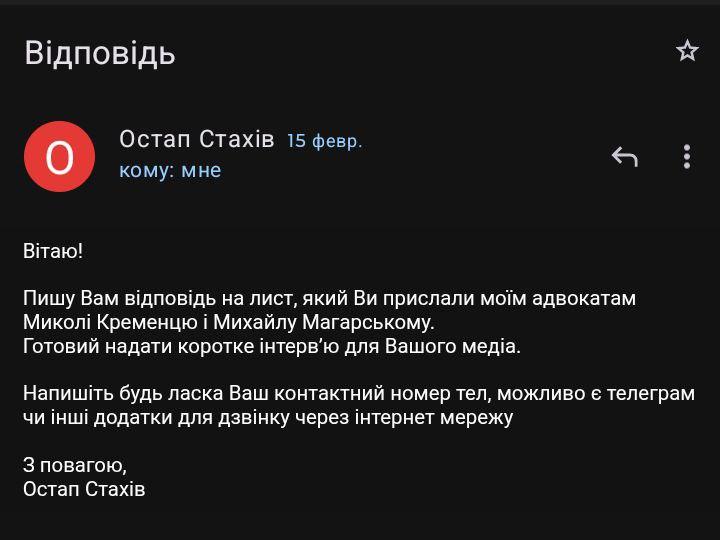
Despite prior consent, Ostap Stakhiv did not provide responses to the questions submitted by the editorial team. The reasons for this decision remain unknown and may be related either to tactical considerations of the defense within the ongoing judicial proceedings or to other factors, including procedural restrictions. At this stage, no indications of direct obstruction of communication have been identified.
The Lviv pre-trial detention center did not respond to the request regarding Stakhiv’s detention conditions; however, at the time of publication he has already been released from custody and is currently under a personal obligation measure. Therefore, the issue of detention conditions remains without official clarification, despite losing practical relevance due to the change in preventive measure.
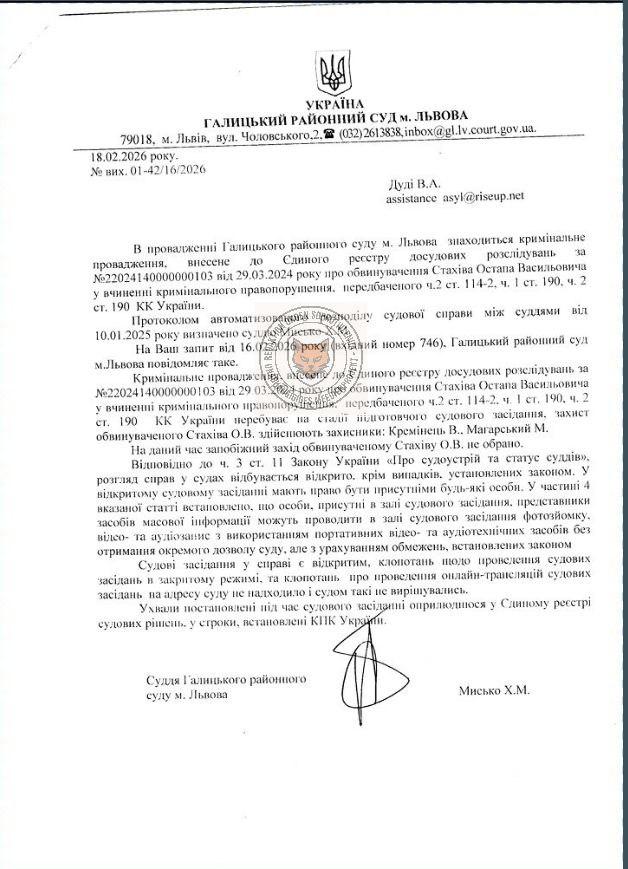
The response of the Halytskyi District Court of Lviv is clearly procedural in nature and does not contain signs of restrictive or evasive communication: the court confirmed the existence of the proceedings, the current stage of consideration, the composition of the defense, the absence of a custodial preventive measure, and the principle of open hearings, including the right of the media to record the proceedings. Such a form of response complies with standards of transparency of justice and does not indicate concealment of information or institutional opacity.
Preliminary Conclusions
It is necessary to examine the anomalies of the proceedings under Article 114-1 of the Criminal Code, analyze the broader context of the criminal prosecution, and determine whether a political dimension is present. At the time of publication, Ostap Stakhiv’s rights do not appear to be violated to the extent that would require urgent international intervention measures.
Article 114-1 of the Criminal Code of Ukraine. Position of the Office of the Prosecutor General
In response to the editorial inquiry, the Office of the Prosecutor General provided detailed statistics regarding criminal proceedings under Article 114-1 of the Criminal Code of Ukraine, including registration dynamics, the number of cases referred to court, and the results of pre-trial investigations. The request was also forwarded to the State Judicial Administration, which supplied an extensive body of procedural data. These materials require separate analytical review and will be examined in detail in subsequent parts of this research. At this stage, it can be stated that, regarding statistical and procedural matters, the highest executive authorities of Ukraine have provided the requested information in full.
The materials used in this article were collected by Vladyslav Duda.
Editorial review was conducted by an Austrian non-binary investigative journalist under the pseudonym “A&R.”
In the name of Justice.
STALKER
Добавить комментарий